Independent science curation

The science of the brain.In context.

Research, anatomy and the people advancing eight fields of neuroscience, summarized with sources and clear labels for what each study can and can’t show.

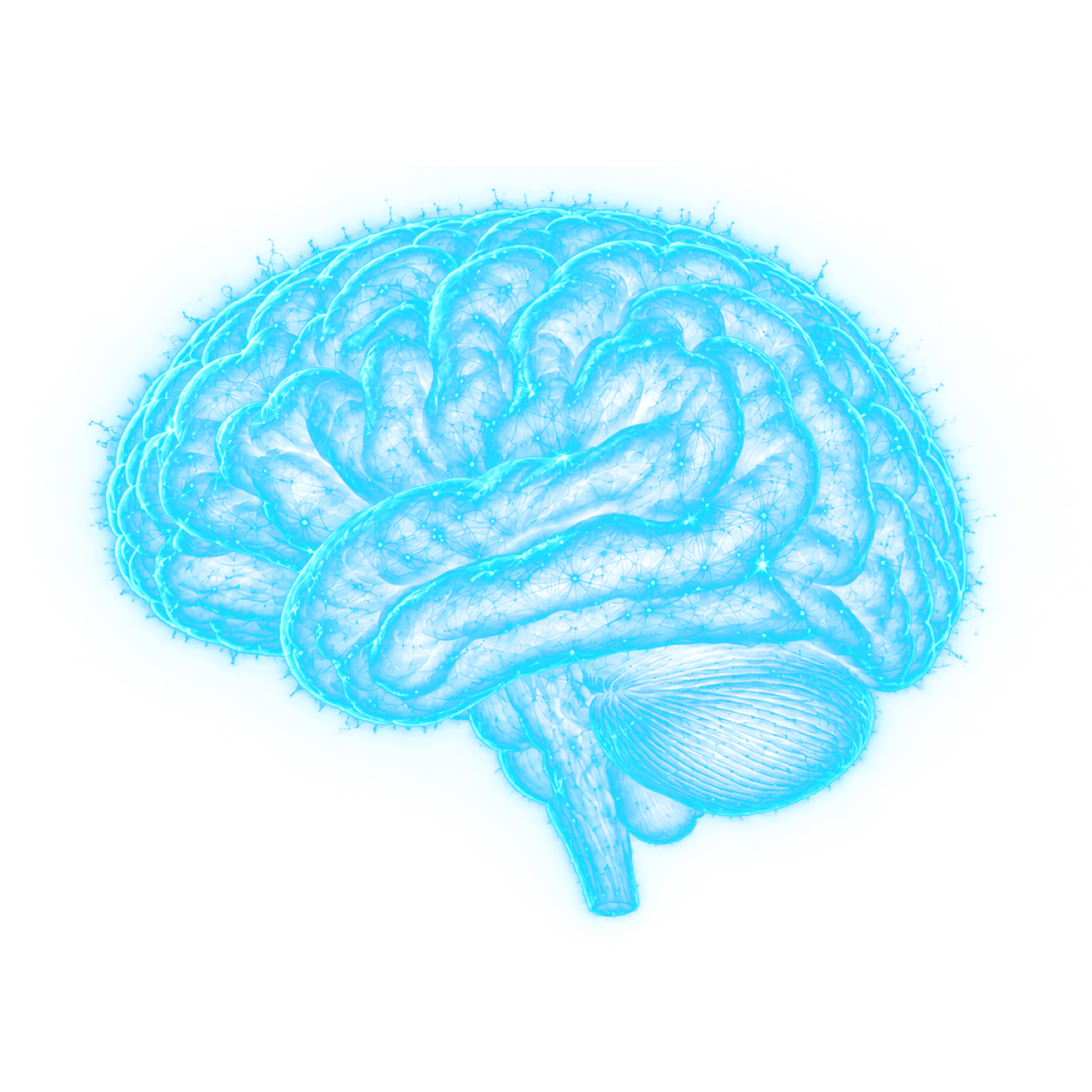
Translucent glass model of a human brain, lit cyan from within
Brain regions · point at a lobe or pick a label

Region in focus

Frontal lobe

Planning, voluntary movement, and cognitive control involve networks across the frontal cortex.

From the research desk

Latest research, in context

A curated reading list, not a live feed. Every entry is labeled by study type and links to its source.

All 30 entries
Research · Animal study

Controlled tibial loading improved recovery in mouse and pig brain-injury experiments. Full-text review supports a PIEZO1-linked bone–brain mechanism, but small groups and largely unblinded assessments limit confidence; human benefit remains untested.

  • Neurology
  • Neurosurgery
  • Neuroscience
Research · Early clinical study

A proof-of-principle randomized study tested 7-tesla neurofeedback in depression and healthy participants. Short-term mood improvements did not remain statistically significant at the seven- and thirty-day follow-ups.

  • Psychiatry
  • Neuroscience
Research · Animal study

Mouse experiments identify distinct circuit contributions to false auditory responses and disrupted movements after S-ketamine. These behavioral proxies help study mechanisms, but cannot establish what an animal subjectively experiences.

  • Psychiatry
  • Consciousness
  • Neuroscience

Interactive

Inside the human brain, in 3-D

Rotate the Allen Human Reference Atlas, isolate any of 141 regions, compare up to eight side by side and read how they connect.

Open the atlas

People & institutions

150researchers from 30 leading U.S. universities

Browse the researcher directory

Curiosity, with a source.

Neural Capsule connects eight fields of brain science through original research, accessible reporting, and researchers’ own work.

Our directory is an editorial selection of five notable researchers from each of 30 leading U.S. universities. It is not a numerical ranking of universities or scientists.

Findings are summarized in context; animal studies, reviews, and early clinical work are labeled. This site is for learning, not individual medical advice.